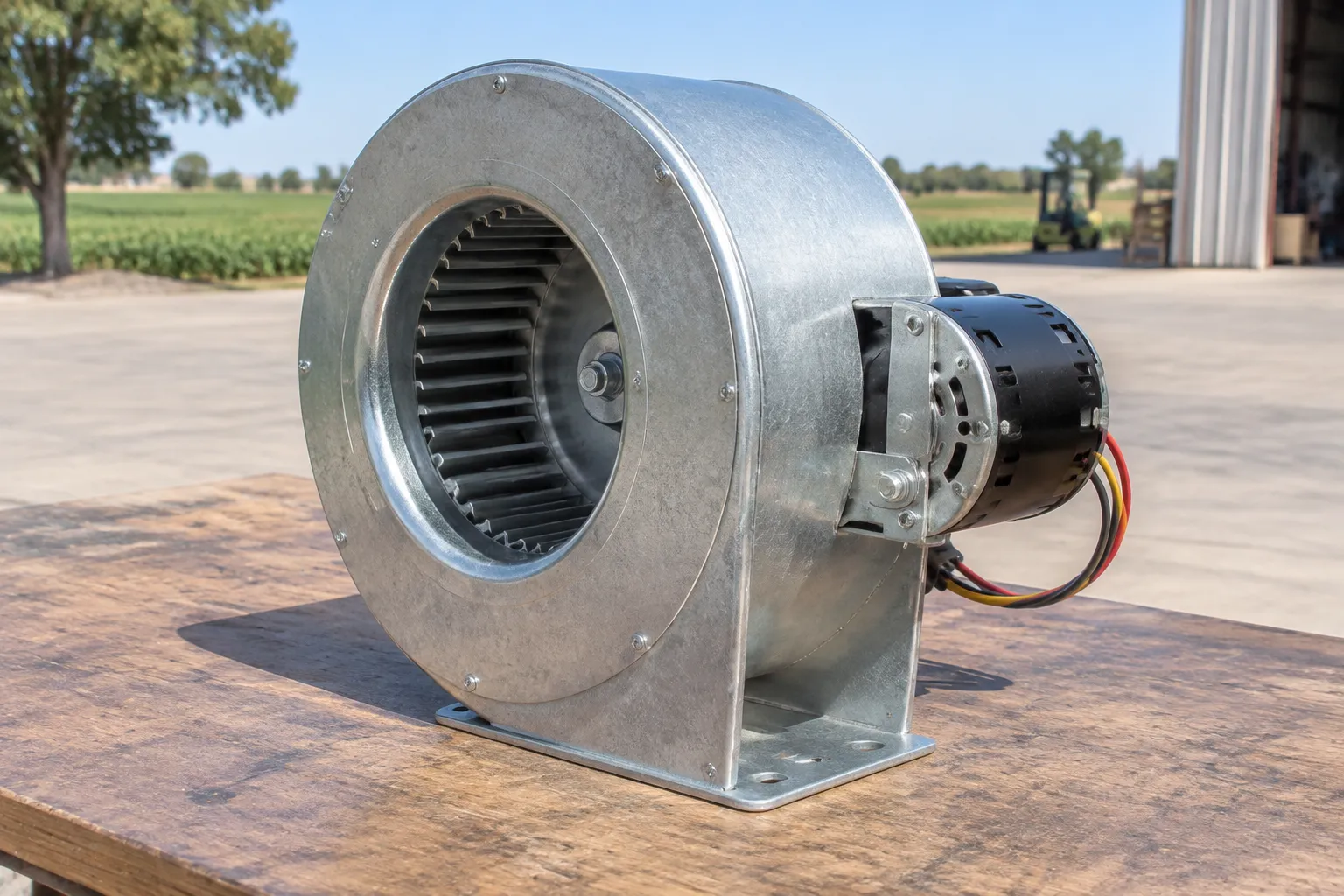
The inducer motor, also called the draft inducer, is a small fan motor on a gas furnace that pulls combustion gases through the heat exchanger and out the vent before the burners fire. When it fails, the furnace usually will not start at all. Repair means replacing the motor or its wheel, and it is a pro job.
This page starts with the inducer, then covers the nearby question of an igniter that glows without a flame, and ends with the carbon monoxide questions people search at the same time. If your furnace will not light, the broader furnace not heating page covers the flame side, including the flame sensor.
What does a furnace inducer motor do?
The inducer motor runs first in every heating cycle. It clears the heat exchanger of any leftover gases, creates a draft that carries exhaust out of the house and tells the pressure switch that venting is working. Only after that signal will the furnace allow the igniter and gas valve to proceed.
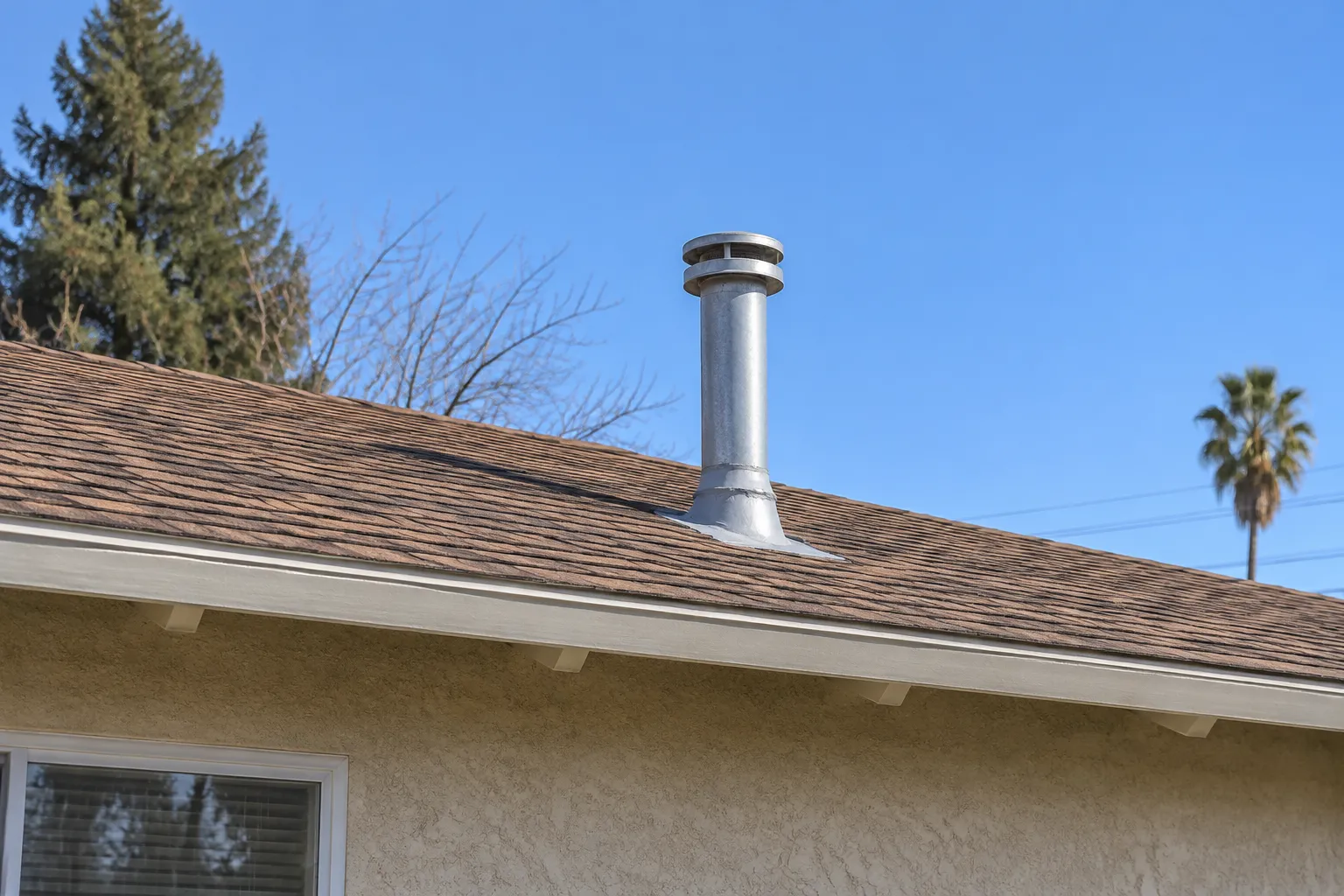
That is why a failed inducer shuts the whole furnace down. The furnace is not broken in the burner section. It is refusing to start because it cannot prove the exhaust path is clear, which is a safety feature, not a defect.
A related part, the pressure switch, watches the draft and closes only when the inducer is working. If you are weighing the two, the pressure switch repair page explains that part separately.
What are the signs of a failing inducer motor?
The usual signs are a furnace that clicks or hums and never lights, a loud grinding, rattling or whining from the cabinet at startup, an inducer that runs for a few seconds and stops, or no inducer sound at all when the thermostat calls for heat. Heat that stops after only a short run is also common.
Look for these patterns:
- Silent at startup. No fan sound, no glow, no flame. Check the breaker and switch first.
- Noisy bearings. A screech or growl from the draft motor often comes before total failure.
- Starts, then quits. The motor overheats, trips and the furnace locks out.
- Moisture around the motor on a high-efficiency furnace, where condensate can reach the housing.
Since many faults end the same way, a technician checks the motor, then the pressure switch, hoses and venting. Do not open the furnace cabinet yourself. Gas, combustion and electrical parts sit right beside the inducer.
What does inducer motor repair cost?
The published guides checked for this site do not list a reliable price for the inducer motor, so no figure is given here. The related parts that do have published ranges show the scale: an igniter is about $96 to $178 and a control board $390 to $725, both with a service call. Ask for an itemized written quote.
Three things move the price: the motor itself, whether the wheel and housing need replacing, and the labor rate. The Fixr furnace repair guide lists labor at $87 to $162 per hour. Get the motor, the gasket and labor on separate lines and ask whether the diagnostic fee is credited.
If the furnace is near 15 years old, consider the furnace replacement cost before you commit to a large repair. Carrier's lifespan table lists 15 to 20 years for furnaces, though its text gives a wider range, and replacement after about 15 years is worth considering. For the wider repair-or-replace picture, see the furnace repair and replacement guide, then ask for quotes on the price request form or start at the HVAC repair quotes home page.
Why does a furnace igniter glow but no flame appears?
When the igniter glows and no flame follows, the furnace is not getting gas to the burners or the gas valve is not opening. A weak igniter, a closed gas valve, a gas supply problem or a failed control board can all do this. A technician tests the sequence step by step.
Industry guides describe a rough map:
- No glow at all: the pressure switch or igniter has failed, or the inducer never started.
- Glow, no flame: a gas supply or gas valve fault.
- Flame lights, then dies in seconds: a dirty flame sensor.
- Glow, then it shuts off: the control board may be ending the cycle for safety.
The furnace flame sensor is a thin rod that confirms a flame, and a technician can clean or replace it. A flame sensor repair runs about $68 to $127 with the service call. Do not attempt gas valve or burner work yourself.
Does a furnace produce carbon monoxide?
A gas furnace makes carbon monoxide as a by-product of burning fuel, and the vent is meant to carry it outdoors. CPSC says furnaces can cause CO poisoning when installed or maintained poorly, or when venting is defective or blocked. A properly working, inspected furnace is not meant to release CO into your home.
CPSC records more than 200 US deaths a year from carbon monoxide from non-automotive consumer products, with more than half of those deaths in November to February. It urges a professional inspection of furnaces, flues and vents every year. A failing inducer matters here because venting depends on it, which is another reason to repair, not bypass, a furnace that will not start.
Can a furnace leak carbon monoxide when it is turned off?
A furnace that is off is not burning fuel, so it is not producing new carbon monoxide. But a blocked flue or a nearby fuel-burning appliance can still cause a problem, and an alarm should always be treated as real. Do not assume the furnace is the source of the problem.
If a CO alarm sounds, CPSC advice is to go outside to fresh air right away, call 911, stay out until responders say it is safe and not to look for the source. Early symptoms resemble the flu without a fever. Higher exposure can bring confusion and unconsciousness.
Which carbon monoxide detector suits a propane furnace?
Use battery-operated or battery-backup alarms that carry a UL 2034 listing, one on every level and one outside each sleeping area. CPSC says to test them as the manufacturer directs and avoid spots near heating vents or where drapes and furniture can block the alarm. EPA says alarms are a backup, not a substitute for installing and maintaining fuel-burning appliances properly.
The fuel type does not change the placement advice in these sources. Propane and natural gas furnaces both burn fuel, so both need an alarm. If your furnace is electric, there is no combustion in the furnace itself, so a CO alarm sounding points to another appliance, such as a gas water heater or fireplace, and still needs a response. Replace alarms at the time the maker states.
Questions people ask
How long does furnace inducer motor repair take?
A motor swap usually takes part of a visit if the part is on the truck, after a diagnostic stage. A less common model may need a part order, which can add a day. Ask whether the business can bring the correct inducer for your furnace.
What should I ask before I hire someone for furnace inducer motor repair?
Ask whether the quote covers the motor, gasket and vent check, whether the pressure switch will be tested, what the warranty covers and whether the diagnostic fee is credited. Also ask for the CSLB license and verify it at cslb.ca.gov before work begins.
Do I need to be home for furnace inducer motor repair?
Yes, at least to let the technician in and approve the price. Because the repair touches the venting side of a gas furnace, ask the business to explain what they tested at the end, and keep the carbon monoxide alarms in place and working.
Is it safe to bypass a failed inducer to get heat?
No. A furnace that will not start without the inducer is protecting you from unvented combustion gases. Bypassing or jumpering a safety part is dangerous and not something a professional should agree to. Ask for a repair or for a replacement quote.
Does an electric furnace produce carbon monoxide?
An electric furnace heats with electric elements and burns no fuel, so it is not a source of combustion carbon monoxide. If a CO alarm in an all-electric home goes off, treat it as real, leave the house and have the other appliances checked.
Sources
- CPSC, Carbon Monoxide Fact Sheet
- CPSC, Stay Safe While Staying Warm This Winter (2024)
- EPA, What about carbon monoxide detectors?
- Industry furnace troubleshooting guides and manufacturer manuals, checked Nov 2026
- Fixr published furnace repair cost guide, checked Nov 2026
Last updated